Potential risk identified sooner
Long-stay, no-motion and project-defined fall or incident conditions can trigger the agreed response workflow.

HEALTHCARE · HONG KONG
Non-camera accessible-toilet fall and incident detection deployed in hospital environments including Princess Margaret Hospital and Queen Mary Hospital.

Company case study · project brief
Support time-sensitive safety workflows in highly private spaces without introducing conventional cameras or identifiable imagery.
Scope as described by Blutech
Non-camera fall and incident detection in accessible toilets
Local alarm at the point of response
Nurse notification and operational dashboard
LoRaWAN and Bluetooth architecture for connected and local workflows
System path
Supplied hardware
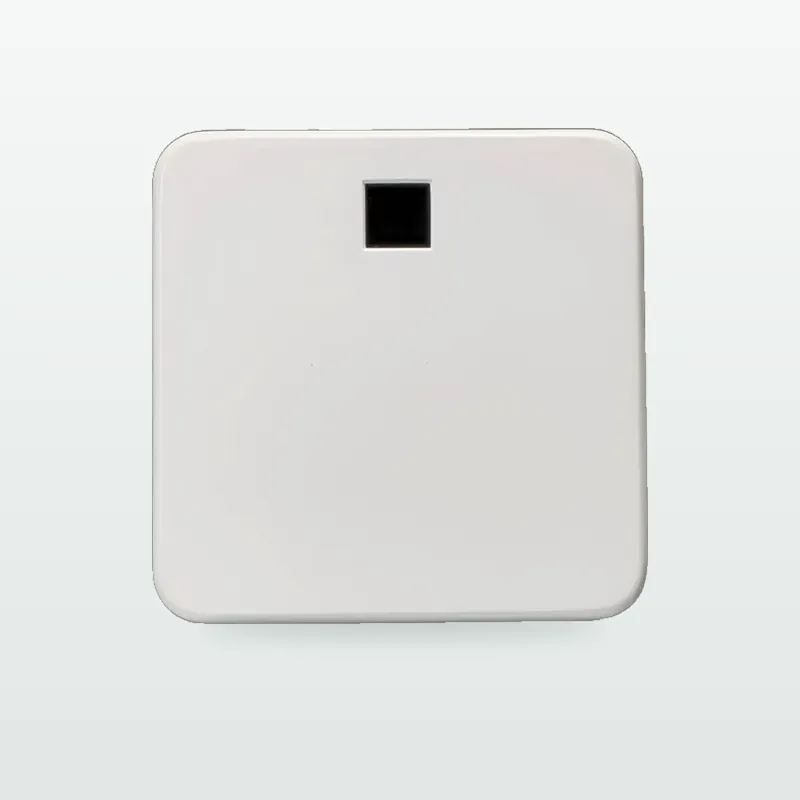
Thermal and 60 GHz mmWave sensor fusion for richer activity understanding without conventional identifiable video.
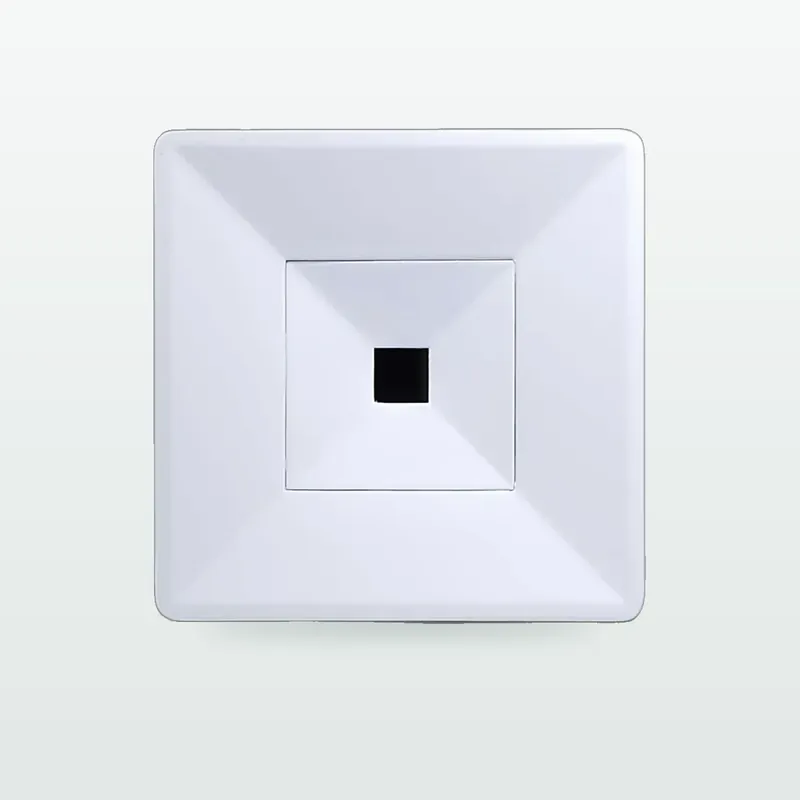
Privacy-preserving 16×12 thermal sensing for occupancy and spatial insight.
A local buzzer and indicator light that alerts staff on site when an agreed event occurs.
Operational outcome
Useful safety events reach the responsible hospital team while the sensing method remains appropriate for one of the building's most privacy-sensitive settings.
Long-stay, no-motion and project-defined fall or incident conditions can trigger the agreed response workflow.
The sensing architecture avoids conventional camera imagery in accessible toilets.
Bluetooth supports immediate local behaviour while LoRaWAN brings events into notification, dashboard and operational records.
This case study is written by Blutech. It describes supplied scope and qualitative outcomes; no savings or performance figures are claimed.
Discuss your project
Share the property type, the systems already in place and what you want to improve. We will come back with a practical pilot, integration path and how results will be measured.