0camera images — events only
3alert types: fall, no-motion, long-stay
PMH + QMHhospital accessible toilets
Overview
01How camera-free fall detection works
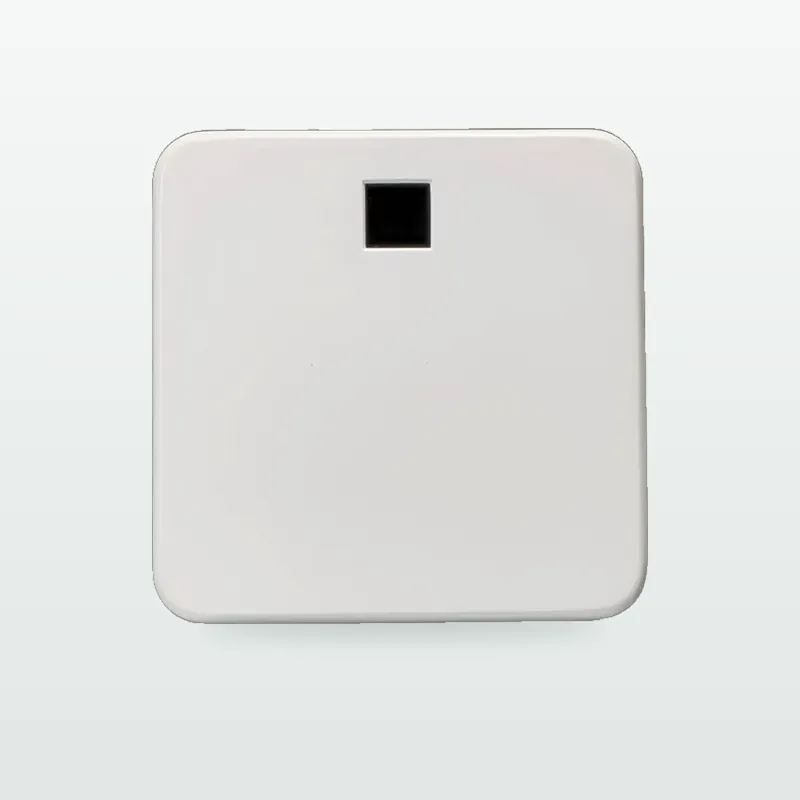
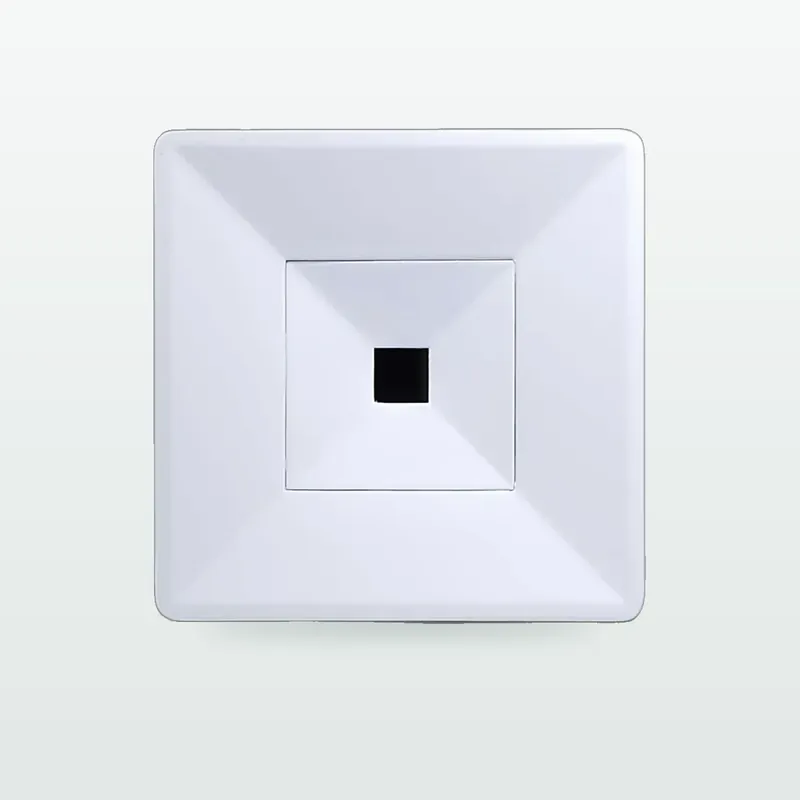
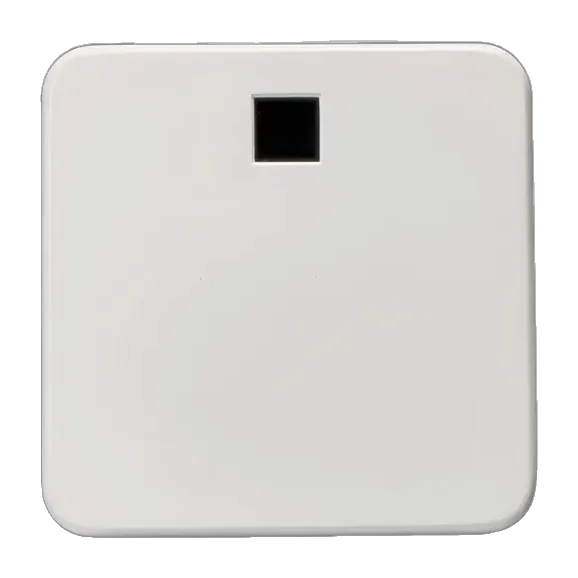
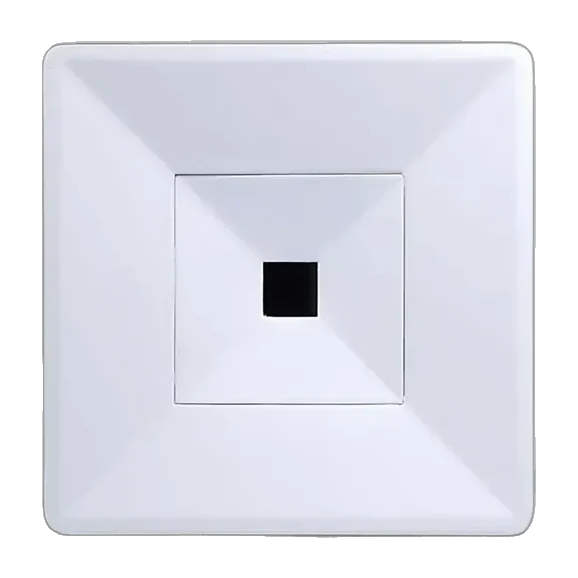
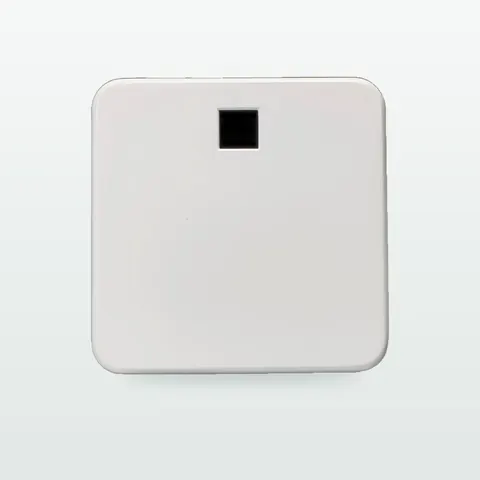
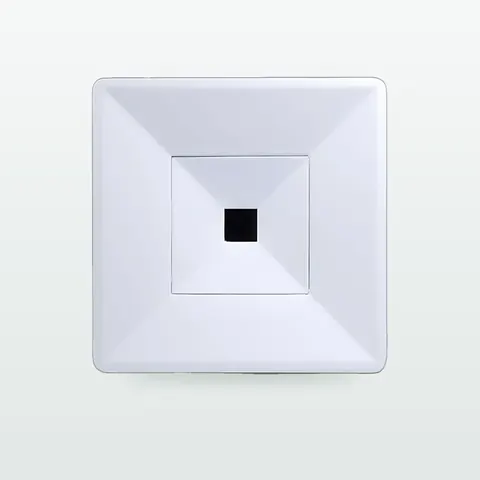
BT338 HeatMap Fusion combines a 16×12 thermal array with 60 GHz mmWave radar and on-device AI. It reads body heat, movement and position changes rather than pictures, so it can recognise fall and accident conditions in a cubicle without producing camera images or personal identifiers. BT337 HeatMap Pro uses thermal sensing alone and suits occupancy and long-stay alerts where full fall logic is not required.
02Fall, no-motion and long-stay are three different alerts
A fall alert responds to a fall-like event. A no-motion alert fires when someone stops moving for longer than an agreed time. A long-stay alert fires when a cubicle has been occupied for too long. Which of these alerts are available depends on the sensor model and project configuration; where enabled, long-stay and no-motion alerts can act as a safety net for incidents a fall model may not classify. Thresholds are set per room and agreed with the operator.
03From the alert to the person who helps
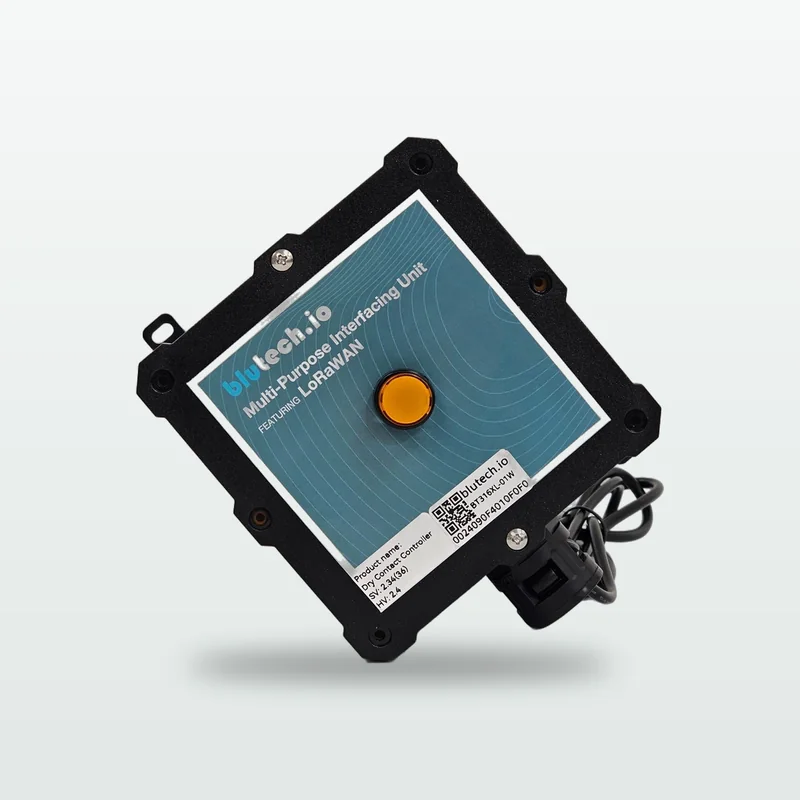
Bluetooth triggers a local BT317 alarm buzzer at the point of response, such as a nurse station or the toilet door, within the building. LoRaWAN carries the same event to Blutech OS, where staff see the room on a floorplan, receive notifications, acknowledge the alert and leave a record. Unacknowledged alerts can escalate to a second team.
04Where it is deployed
Blutech's non-camera fall and incident detection runs in accessible toilets at Princess Margaret Hospital and Queen Mary Hospital, and supports passenger-safety monitoring at Hong Kong International Airport. The same design applies to shopping centres, offices, public facilities and elderly homes after a site survey.
05Why not rely on pull cords, wearables or cameras
A pull cord only helps if the person is conscious and can reach it. Wearables only help if they are worn. Cameras capture identifiable images, which is generally unsuitable for a private space such as a toilet. Thermal and mmWave sensing work without any action from the person and without capturing images, which is why they suit the most private rooms in a building.
Explore Blutech OS →How it works
From the device in the room to the person who responds.
Every Blutech solution follows the same path. These are the parts this solution uses.
- 01
Sense and indicate
- 02
Connect
LoRaWAN coverage across the building; Bluetooth for local responses.
- 03
Blutech OS
Devices, data, rules and integrations, managed by technical teams. Blutech OS gives the property team floorplans, live status, alerts, trends and reports.
- 04
Act
Staff notifications, local displays and alarms, and signals to BMS or other systems agreed for the project.
Explore Blutech OS →Who it is for
- Nursing and ward staff
- Facility and security teams
- Venue and property operators
Integration
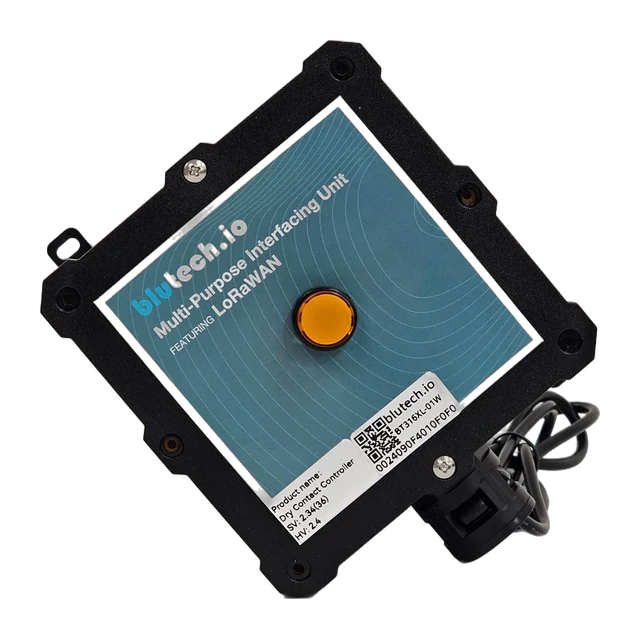
Local alarms run through Bluetooth and the BT316 controller; notifications and records sit in the dashboard. Connection to other paging or nurse-call systems needs a separately agreed interface.
Technology and integration →Independent sources
Third-party awards and reporting about this solution. Dates are publication or award dates.
Which events each sensor reports — and what staff should do
| Sensor | Events it can report | What the responding team does |
|---|
| BT338 HeatMap Fusion · thermal + 60 GHz mmWave | Fall or accident condition, no motion, unusual long stay, presence and movement. | Treat a fall alert as urgent: go to the room, knock and announce, then enter under the agreed procedure. |
|---|
| BT337 HeatMap Pro · 16×12 thermal | Occupancy and long stay. Other accessible-toilet events depend on the project configuration — confirm before specifying it for falls. | Check the room when a long-stay alert fires; follow the same entry procedure. |
|---|
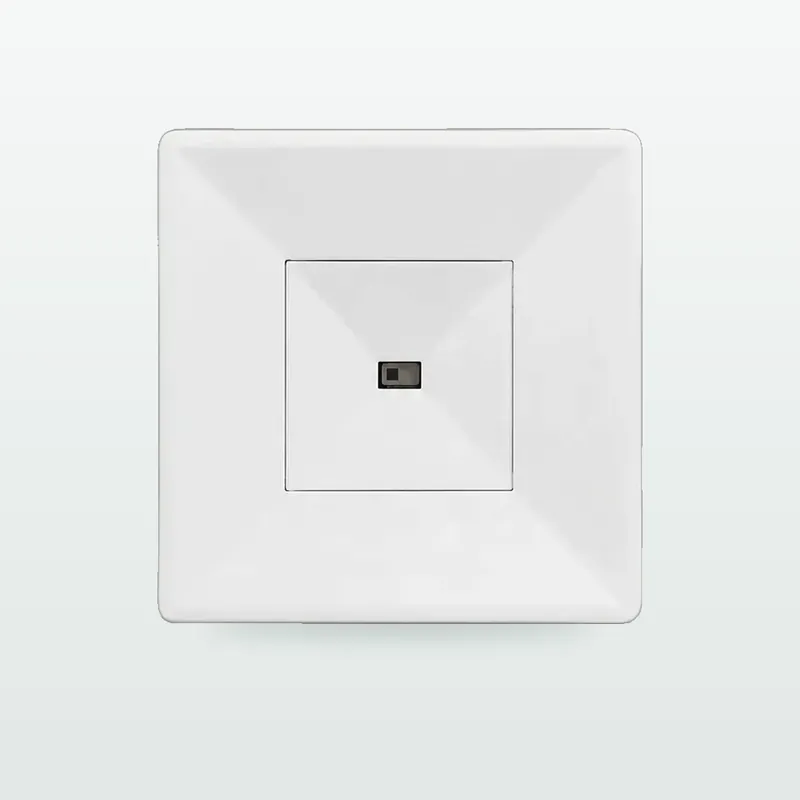
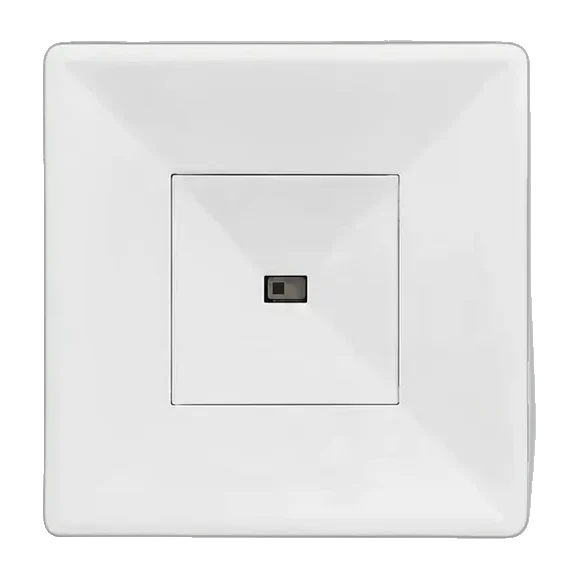
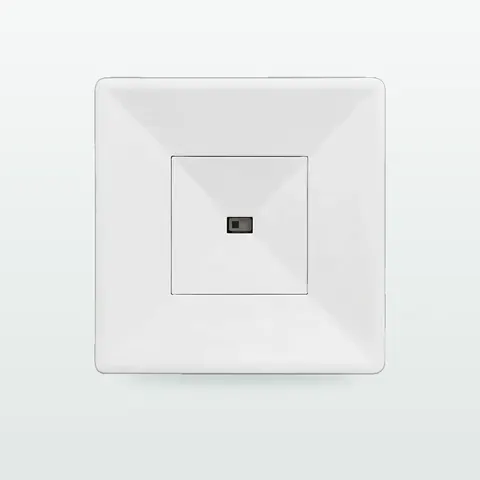
| BT303 HeatMap 8×8 · thermal | Presence, approximate count, dwell, long stay and no motion. | Use where a lower-cost long-stay or no-motion check is enough; check the room on alert. |
|---|
| BT317 alarm buzzer · with BT316 controller | Sounds and lights at the point of response when an agreed event fires. | Acknowledge the alarm, attend the room and record the outcome in the dashboard. |
|---|
These sensors support a staff response. They are not medical devices, do not diagnose injury and do not contact emergency services by themselves, and no sensor detects every fall. Before go-live, agree the alert thresholds, who responds, the target response time and the escalation path, then test them in the actual rooms.
Relevant building projects
Where it is deployed
What to measure in a pilot
Run staged-fall, no-motion and long-stay tests in the actual rooms, then track alert-to-arrival time, false alerts per week and the share of alerts acknowledged within the target time. Compare against the previous pull-cord or patrol arrangement.
Questions about this solution
Can fall detection work without a camera?
Yes. HeatMap Fusion uses thermal and 60 GHz mmWave sensing with on-device AI. It sends events, not images, and does not identify the person.
Is an inactivity alert the same as fall detection?
No. A no-motion or long-stay alert means someone has not moved, or has stayed too long; it does not confirm a fall. Using both gives staff an earlier and a later chance to check.
Will it detect every fall?
No sensor can guarantee that. Detection depends on the model, mounting position, room layout and thresholds, so each installation is tested in the actual room, and long-stay alerts remain as a backstop.
Does it call emergency services automatically?
Not by default. Alerts go to the local buzzer and the staff agreed in the project. The response workflow, including any escalation, is set with the operator.
Can it be added to existing toilets?
Yes. Sensors connect wirelessly over LoRaWAN, so retrofits avoid new data cabling. Mounting position, power and gateway coverage are confirmed during the site survey.
Discuss your project
Tell us about your building.
Share the property type, the systems already in place and what you want to improve. We will come back with a practical pilot, integration path and how results will be measured.

 BT338HeatMap Fusion
 BT337HeatMap Pro
 BT303HeatMap 8×8
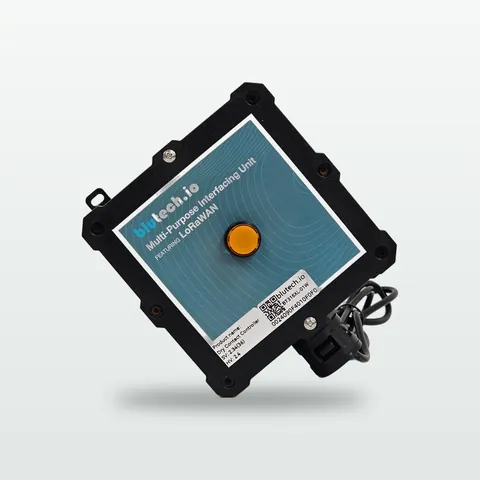 BT317Notification Buzzer
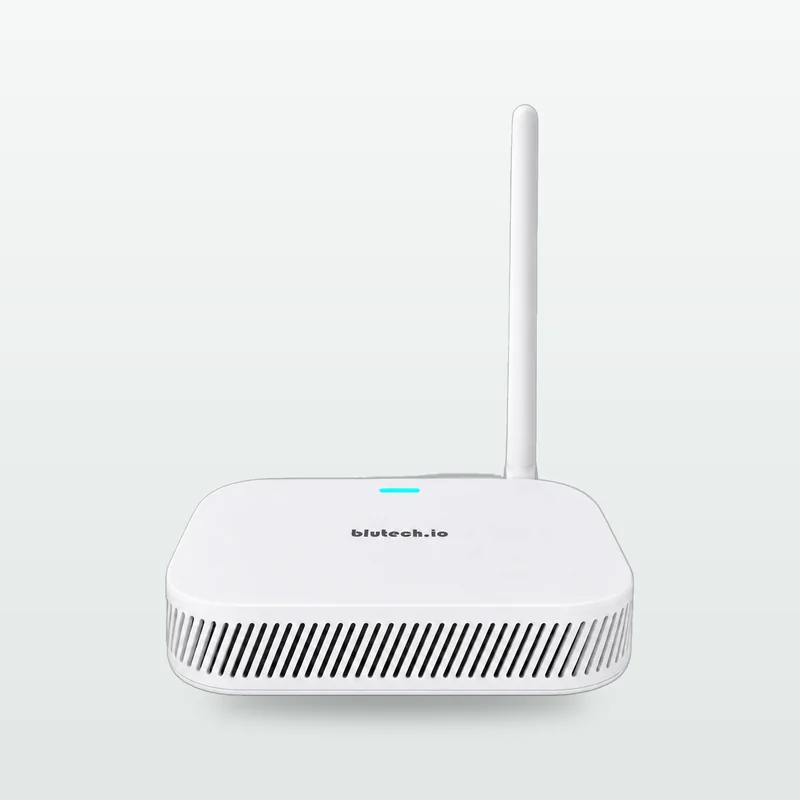
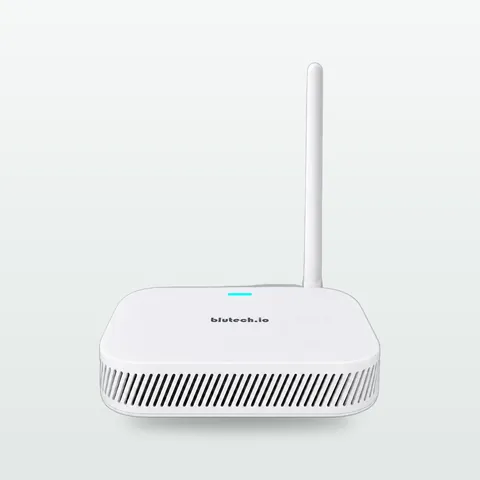 BT802Indoor LoRaWAN Gateway