← Solutions

BLUTECH · Solutions

Water Leak Detection and Monitoring for Buildings

Blutech connects point and cable-based water-leak detectors to alerts, location context and event history. Give property teams earlier visibility of water at vulnerable locations in plant rooms, washrooms and commercial buildings.

Discuss your project
BT333 Zone Detection Water LeakageBT333BT339 BluDropBT339
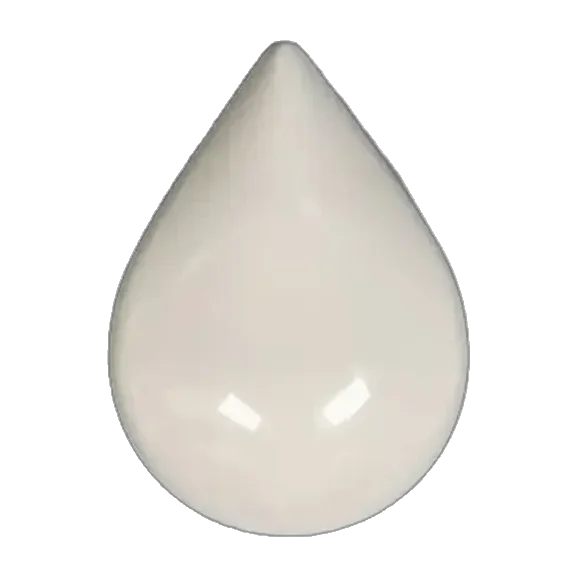
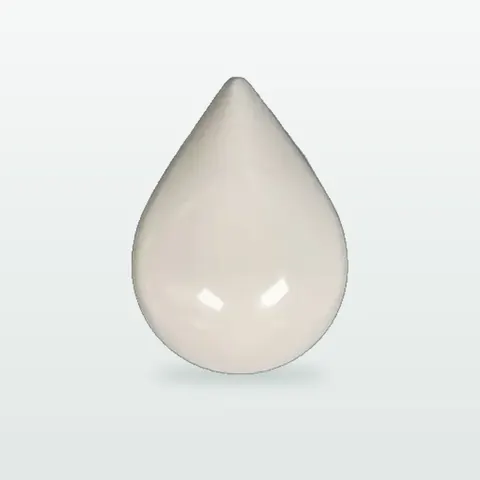
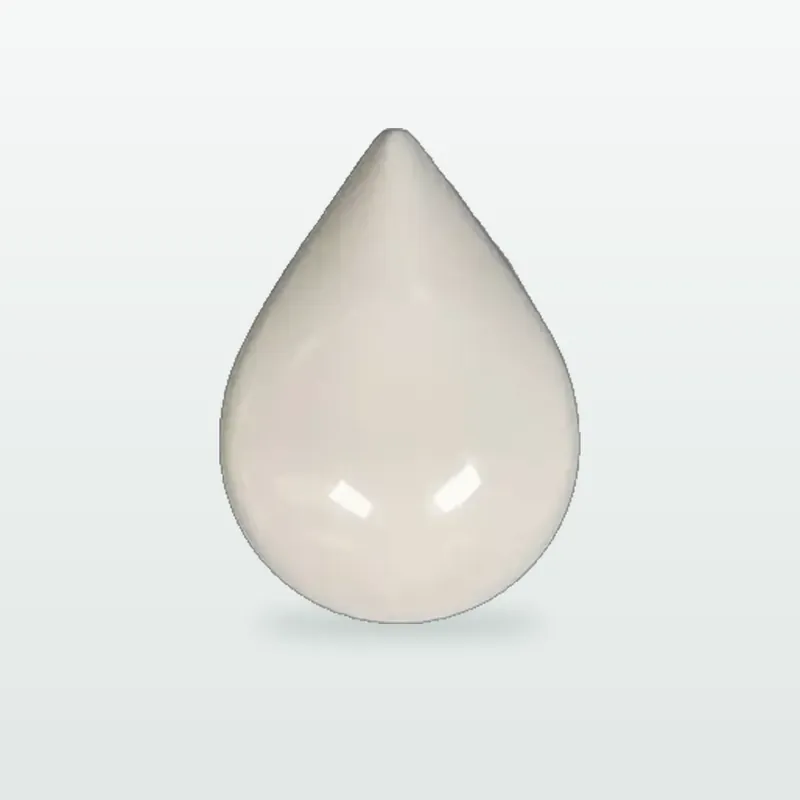
PointBluDrop at a known leak source
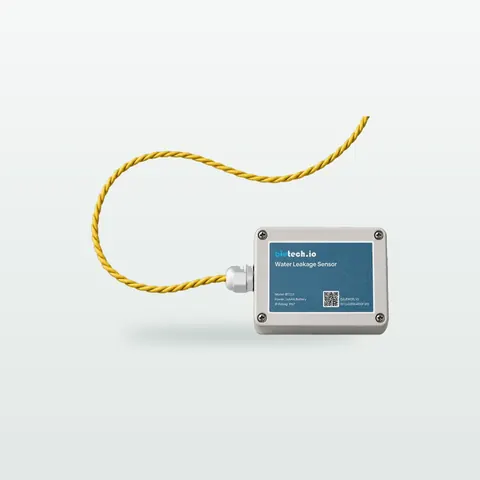
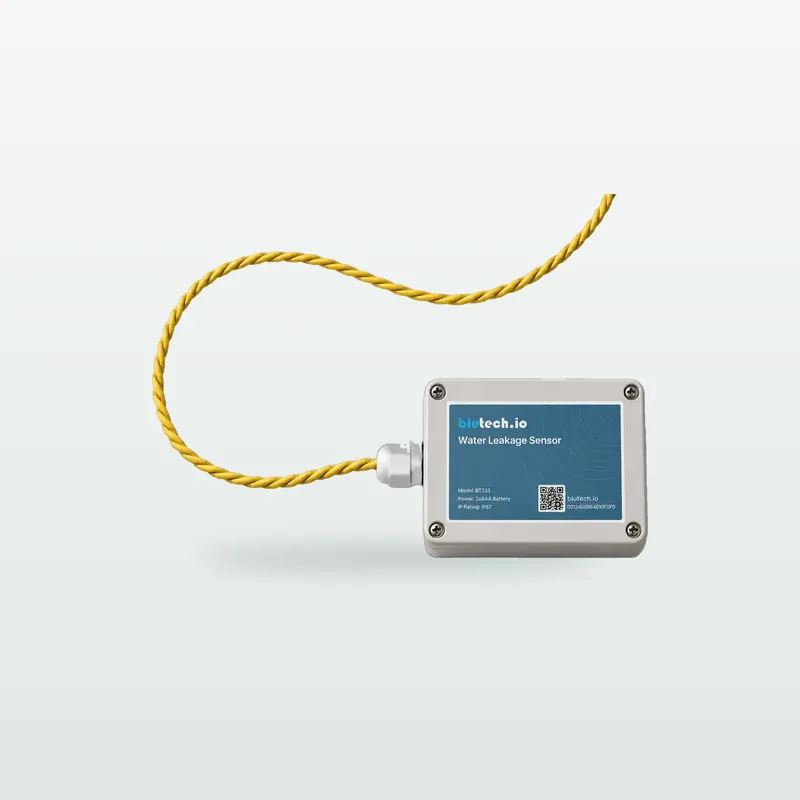
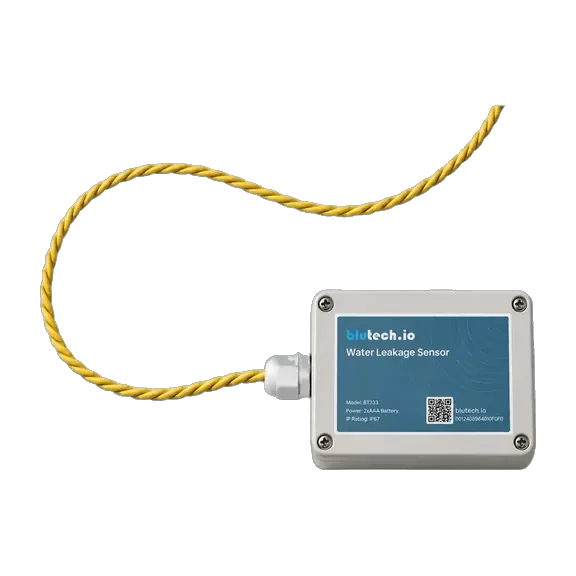
ZoneBT333 sensing cable along a route
Livealerts with location and history in the dashboard
01

Point detection or cable coverage

BluDrop BT339 detects water at a compact sensing point using titanium conductive contacts. BT333 monitors along a connected sensing cable for broader area coverage. Choose placement around likely leak paths and accessible inspection locations.

02

From water detection to staff response

Field events pass through the agreed network into Blutech OS. The team can see the affected location, review event history and follow its inspection and escalation procedure. Specify the alert recipients and acknowledgement process during design.

03

Integration and retrofit planning

Select the ordered connectivity option, gateway coverage and maintenance plan for the site. Third-party interfaces or automatic valve control require a separately agreed design; an alert does not itself guarantee isolation or prevention of damage.

Explore Blutech OS →

From the device in the room to the person who responds.

Every Blutech solution follows the same path. These are the parts this solution uses.

  1. 01

    Sense and indicate

  2. 02

    Connect

    LoRaWAN coverage across the building; Bluetooth for local responses.

  3. 03

    Blutech OS

    Devices, data, rules and integrations, managed by technical teams. Blutech OS gives the property team floorplans, live status, alerts, trends and reports.

  4. 04

    Act

    Staff notifications, local displays and alarms, and signals to BMS or other systems agreed for the project.

Explore Blutech OS →

Who it is for

  • Engineering and maintenance teams
  • Property managers
  • Plant-room operators

Integration

Leak events reach the dashboard through the platform. Third-party interfaces or automatic valve control require a separately agreed design.

Technology and integration →

How the pieces work together

  1. BT333 Zone Detection Water Leakage
    01 · Zone detection

    Zone Detection Water Leakage

    BT333

    A sensing cable detects water anywhere along an agreed route in plant rooms and service areas.

    Specifications →
  2. BT339 BluDrop
    02 · Point detection

    BluDrop

    BT339

    Compact wireless sensor placed right next to a known source, such as a tank, pipe joint or basin.

    Specifications →
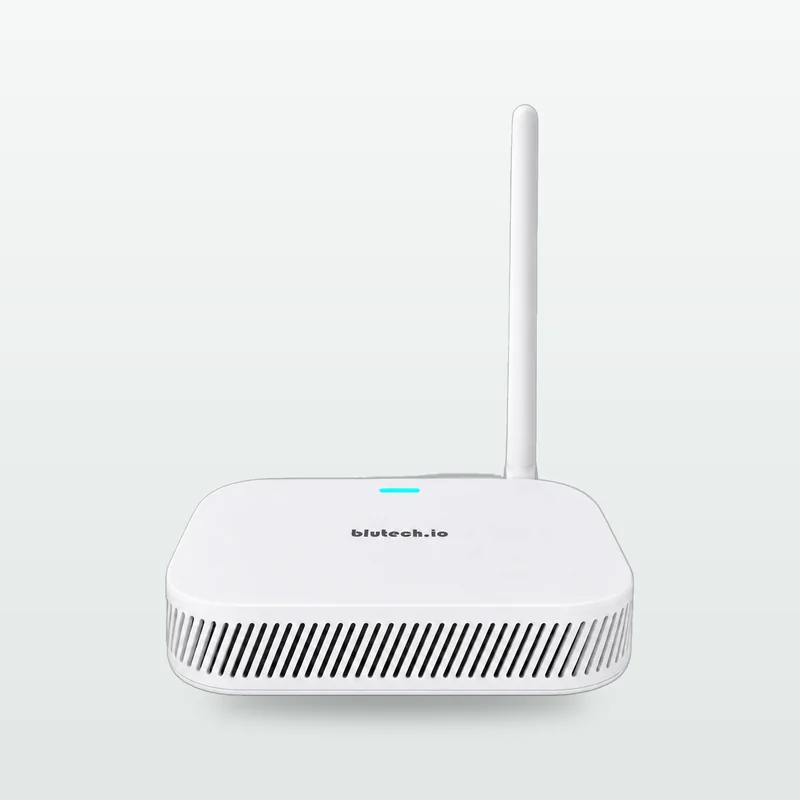
  3. BT802 Indoor LoRaWAN Gateway
    03 · Connect

    Indoor LoRaWAN Gateway

    BT802

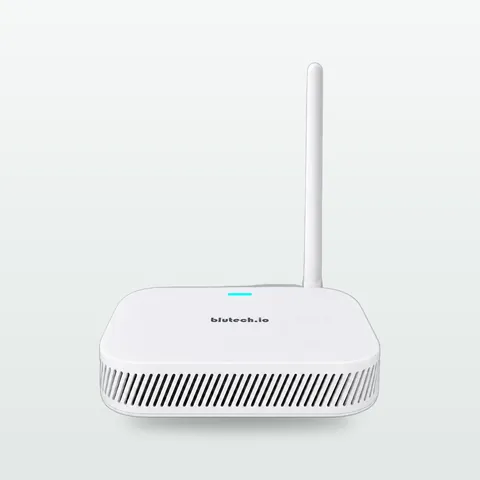
    Sends leak events over LoRaWAN to Blutech OS so the team sees where water was found.

    Specifications →

Where it is deployed

Three Garden Road
Grade-A Office · Central

Three Garden Road

More than 1,000 connected devices support smart washrooms, water-leakage monitoring, indoor-air-quality visibility, occupancy-led HVAC coordination and ESG reporting.

  • 1,000+Connected devices
  • LiveHVAC coordination
  • IntegratedESG reporting
Read the case study →
Olympian City shopping mall in West Kowloon, Hong Kong
Commercial & Retail · West Kowloon

Olympian City

A three-phase connected-building deployment covering water, noise, smoke, smoking, occupancy and environmental conditions with BMS and HVAC integration.

  • 1, 2 & 3Property phases
  • LiveBMS integration
  • Independent IoTSmoke monitoring
Read the case study →
BT107 Smart Display and passenger-facing information application visual
Transport · West Kowloon

Hong Kong West Kowloon Station

A passenger-facing and operator-facing smart-washroom system connecting facility supplies, leakage, occupancy, lighting and indoor-air-quality information.

  • BT107Primary display
  • Blutech OSOperating layers
  • Passenger + operatorSystem view
Read the case study →

Test representative wet events, notification delivery and staff acknowledgement before handover. Compare response time and inspection records during a pilot; avoid assuming a fixed reduction in damage costs.

Questions about this solution

What is the difference between point and cable leak detection?

A point detector monitors water at its sensing location. A cable detector covers the route of its connected sensing cable. The layout and likely leak paths determine which arrangement is suitable.

Will the system automatically shut off the water?

Leak detection and water shut-off are separate functions. Automatic isolation requires suitable valves, controls, integration and an agreed operating procedure; it is not included just because a leak sensor is installed.

Discuss your project

Tell us about your building.

Share the property type, the systems already in place and what you want to improve. We will come back with a practical pilot, integration path and how results will be measured.

We will use your contact details only to respond to this enquiry. Privacy Policy